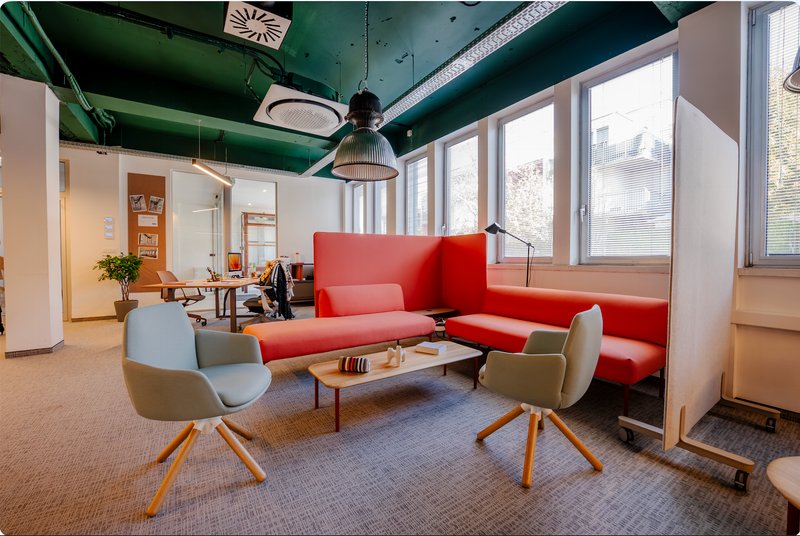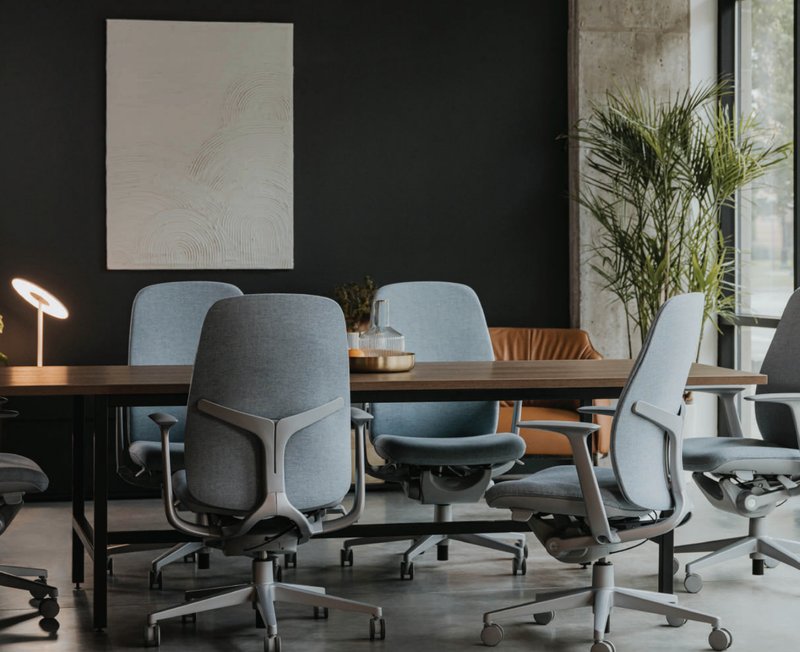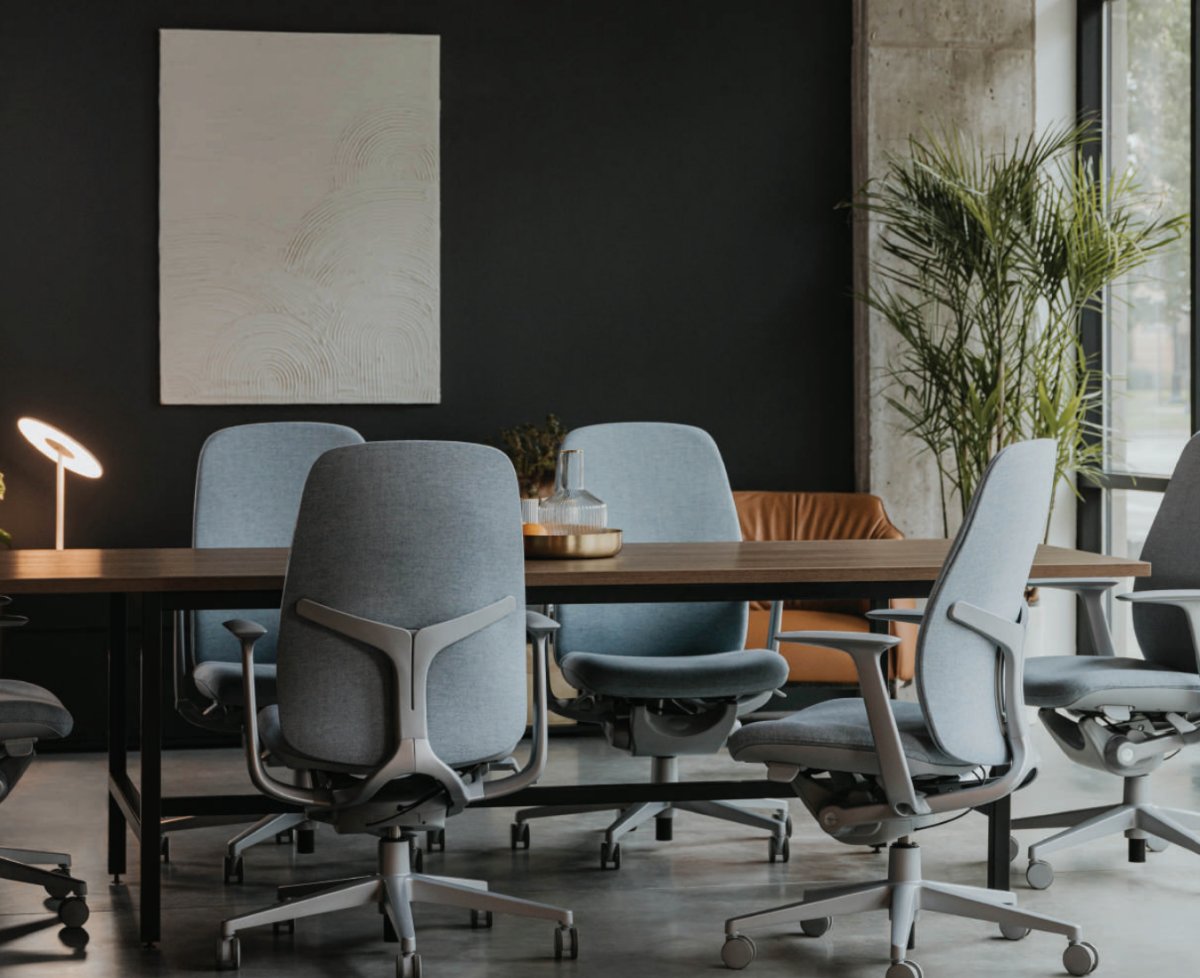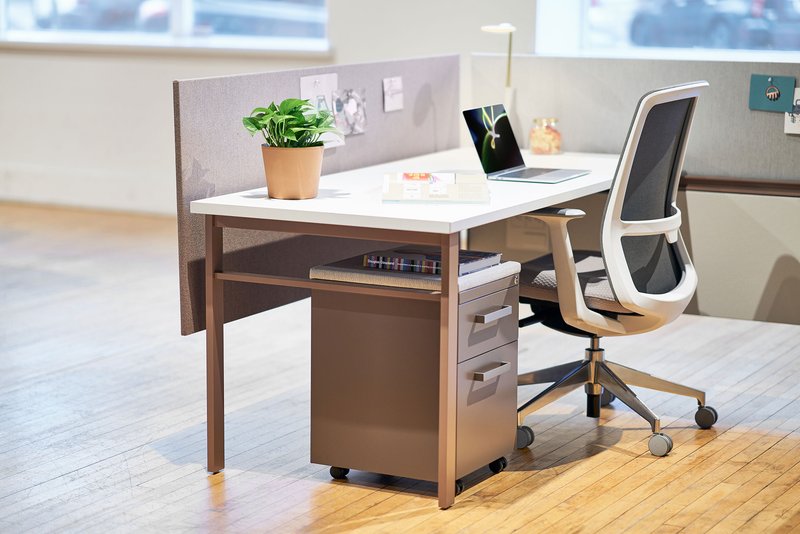
Office chairs are one of the most frequently used pieces of equipment in modern workplaces. Whether in corporate offices, coworking spaces, government institutions, or home offices, employees spend a significant part of their day seated while performing essential tasks. The role of office chairs has evolved far beyond simple seating; they now influence productivity, employee health, workplace efficiency, and overall business performance.
The importance of office chairs in daily operations
In everyday office operations, office chairs support workers during meetings, computer-based tasks, customer service interactions, administrative duties, and collaborative work. Employees often remain seated for six to eight hours daily, making the quality and functionality of office chairs a critical part of operational success.
A well-designed office chair contributes to:
Better posture
Reduced physical strain
Increased concentration
Improved employee comfort
Lower risk of workplace injuries
Enhanced workplace professionalism
Organizations invest heavily in computers, software, and office infrastructure, yet seating is sometimes overlooked despite being directly connected to employee well-being and performance.
How office chairs are currently being used
1. Supporting long working hours
Most office employees use chairs continuously throughout the workday. Chairs are designed to provide back support, mobility, and flexibility while employees handle tasks such as typing, attending virtual meetings, and analyzing data.
Ergonomic chairs with adjustable height, lumbar support, and armrests are now common in many offices because businesses recognize the impact of comfort on productivity.
2. Facilitating movement and collaboration
Modern office chairs often include swivel bases and rolling wheels, allowing workers to move easily between desks, printers, filing cabinets, and collaborative workspaces. In open-office environments, mobility supports faster communication and teamwork.
3. Enhancing professional appearance
Office furniture contributes to workplace image and culture. Executive chairs, conference room seating, and visitor chairs are selected not only for comfort but also for visual appeal. Companies use furniture design to reflect professionalism, innovation, and organizational identity.
4. Supporting remote and hybrid work
With the rise of remote work, office chairs have become important in home-office setups. Employees working from home increasingly require ergonomic seating solutions to maintain comfort and productivity outside traditional office environments.
Are employees properly educated on how to adjust office chairs?
One of the biggest problems in modern offices is not the lack of ergonomic chairs, but the lack of knowledge about how to use them correctly.
Research shows that many office workers do not fully understand how to adjust their chairs for proper posture and comfort. A study published in Applied Ergonomics found that employees knew fewer than half of the adjustable features available on their chairs. Workers had an average of 5.39 adjustable chair functions available, but only understood about 2.51 of them and used even fewer — approximately 1.86 functions on average.
The same study revealed several concerning statistics:
53% of workers knew only two or fewer adjustment features
73% had used only two or fewer chair adjustments
10% had never adjusted their chair at all
Another international study involving office workers in Spain and the Netherlands found that:
24% of Spanish office workers never adjusted their chairs
61% of Dutch office workers never adjusted their chairs
These numbers suggest that even when companies invest in ergonomic furniture, employees often lack the training or awareness needed to benefit from it fully.
Why workers struggle to adjust chairs correctly
Several factors contribute to poor office chair usage:
Lack of training
Many organizations provide ergonomic chairs but do not teach employees how to use them properly. Workers may not know how to adjust seat height, lumbar support, armrests, or recline angles.
Complex adjustment systems
Modern ergonomic chairs can have multiple levers and controls that confuse users. Employees often avoid adjustments because they fear making the chair uncomfortable or damaging it.
Poor ergonomic awareness
Some workers do not realize that discomfort, back pain, or fatigue may result from improper sitting posture rather than workload alone.
Habit and convenience
Employees frequently continue using the same sitting position for long periods without adjusting posture or chair settings throughout the day.
The health impact of poor chair adjustment
Improper chair use can lead to several workplace health issues, including:
Lower back pain
Neck strain
Shoulder tension
Poor blood circulation
Fatigue
Musculoskeletal disorders
Studies have linked prolonged sitting with poor workstation ergonomics to discomfort in the cervical, shoulder, and lumbar regions of the body.
Recent posture-related research also found that sitting at desks for long periods and poor monitor positioning contribute significantly to bad posture. One survey reported that:
61% of desk workers blamed prolonged sitting for poor posture
60% blamed heavy technology use
42% said they did not move enough during the workday
What can be better
1. Better ergonomic education
Companies should provide mandatory ergonomic training for employees. Even short instructional sessions can help workers learn:
Correct sitting posture
How to adjust seat height
Proper lumbar support positioning
Correct armrest placement
Ideal monitor and desk height
Research shows that ergonomics training combined with adjustable chairs significantly improves worker knowledge and posture behavior.
2. Simpler chair designs
Manufacturers can improve user experience by designing more intuitive adjustment systems with:
Clearly labeled controls
Easy-to-reach levers
Digital setup guides
Quick adjustment tutorials
3. Smart office chairs
Future office chairs may include:
Posture-monitoring sensors
Sitting-time reminders
Automatic ergonomic adjustments
Mobile app integration
Emerging research on smart chairs and posture-monitoring systems shows promising results in helping workers maintain healthier sitting habits.
4. Encouraging movement
Even the best office chair cannot replace regular movement. Companies should encourage employees to:
Stand periodically
Stretch during breaks
Use sit-stand desks
Walk during meetings when possible
5. Personalized workstations
Not every employee has the same body type or working style. Adjustable workstations that adapt to individual needs can improve comfort and reduce injury risk.
The future of office seating
The future of office chairs will focus on employee wellness, flexibility, and intelligent ergonomic support. Businesses are increasingly recognizing that employee comfort directly affects productivity, job satisfaction, and long-term health.
Office seating is no longer simply about furniture — it is part of workplace strategy. Companies that invest in better ergonomic education and smarter seating solutions are likely to create healthier and more productive work environments.
Conclusion
Office chairs play a central role in everyday office operations by supporting comfort, movement, collaboration, and productivity. However, research clearly shows that many employees are not properly educated on how to adjust and use their chairs effectively.
Despite the availability of modern ergonomic chairs, a large percentage of workers use only a small number of adjustment features or never adjust their chairs at all. This lack of awareness can contribute to poor posture, discomfort, and long-term health problems.