While 62% of remote professionals in Croatia cite the lack of high-quality workspace as their primary barrier to productivity, many aspiring operators remain paralyzed by the fear of local red tape. You've likely recognized the massive potential in the Croatian market following the 2023 Schengen entry, and you're ready to learn how to start a coworking space in Croatia to meet this growing demand. However, complex administrative hurdles and high fit-out costs often stall even the best business plans. Precision is your best tool.
This guide provides a definitive roadmap to ensure you move from registration to your grand opening without unnecessary delays. We'll show you how to handle the Commercial Court requirements and choose management software that streamlines your daily operations. You'll also learn how to differentiate your space using ergonomic Haworth and Brunner solutions to secure long-term member loyalty. From Split to Rijeka, we've distilled the essential steps to help you launch a compliant, profitable, and prestigious workspace in 2026.
Key Takeaways
- Understand the 2026 Croatian coworking landscape by analyzing the growth of remote work and digital nomadism across the entire country.
- Master the legal requirements of how to start a coworking space in Croatia, including the step-by-step registration process and the selection of correct NKD codes.
- Discover why strategic workplace design is the primary factor in member retention and how to use workplace strategy to maximize your square footage.
- Implement a localized digital infrastructure to move away from unsustainable manual management and ensure seamless daily operations.
- Learn the value of partnering with professional fit-out experts to transform a vacant shell into a high-performance, compliant business community.
the coworking landscape in Croatia for 2026
The modern coworking space has evolved into a flexible, service-oriented business model that prioritizes operational agility over traditional long-term leases. For entrepreneurs researching how to start a coworking space in Croatia, 2026 represents a critical window of opportunity. By this time, the economic integration following the 2023 Schengen and Eurozone entries will have fully matured, creating a stable environment for cross-border business. Understanding What is Coworking? in a modern context is essential because the industry has shifted from simple desk rentals to a "Space-as-a-Service" (SaaS) approach. This model treats the physical office as a plug-and-play product, integrating high-speed infrastructure, administrative support, and legal compliance into a single monthly fee.
Croatia's remote work scene has grown significantly since the introduction of the Digital Nomad Visa in January 2021. While Zagreb remains a primary hub, the demand has spread across the entire country, from the tech corridors of Osijek to the coastal hubs of Split, Rijeka, and Zadar. In 2026, successful founders won't just provide a place to sit; they'll offer a professional background that ensures security and prestige for their members. This shift toward SaaS means your revenue depends on the quality of the experience and the reliability of the services provided, rather than just the real estate itself.
identifying market demand and niche opportunities
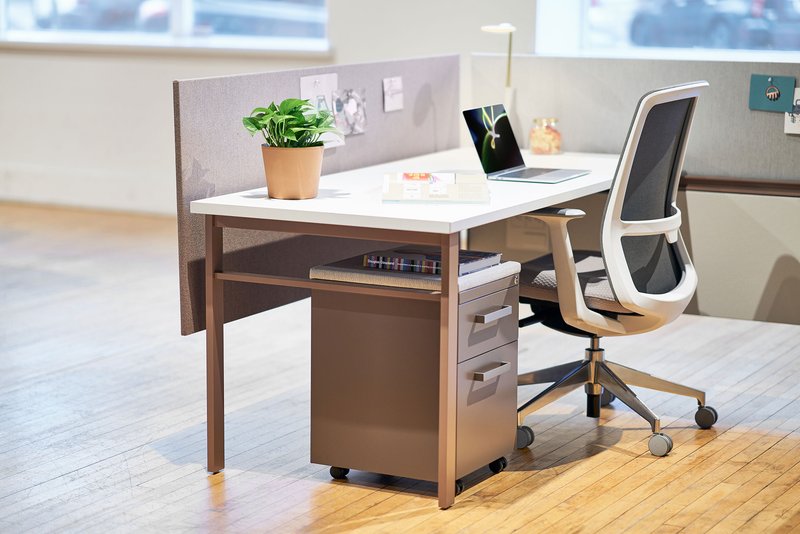
The Croatian market is currently seeing a saturation of basic "laptop-friendly" cafes, but a shortage of professional-grade flexible offices. Founders should look beyond generic spaces and target underserved segments. Corporate satellite offices for international firms and specialized tech hubs for local startups are high-growth areas. Establishing a unique value proposition (UVP) is vital. This might include high-end hardware, such as ergonomic chairs from Haworth, or specialized facilities that cater to specific industries like digital media or software development. Focus on providing a stable, distraction-free environment that supports deep work and professional client meetings.
choosing the right business model
Selecting a business model requires a choice between community-focused spaces and high-end serviced offices. Community models thrive on social events and networking, while serviced offices prioritize privacy, discretion, and corporate standards. A hybrid model often yields the best results in the Croatian market. This involves combining open-plan desks for freelancers with private suites for small teams. Diversifying revenue streams is essential for long-term stability. You should consider including:
- Virtual offices: Providing a professional business address for company registration, a service highly valued for its administrative convenience.
- Meeting room rentals: On-demand access for non-members to host presentations or workshops.
- Premium amenities: Access to advanced acoustic solutions and private phone booths for confidential calls.
When you evaluate how to start a coworking space in Croatia, remember that professional clients value legal certainty and administrative efficiency. Your business model must reflect these priorities to build lasting trust in a competitive market.
navigating the legal path to opening your space
Establishing a legal presence is the first hurdle in learning how to start a coworking space in Croatia. The process begins at the Commercial Court. You'll need to decide between a d.o.o. (Društvo s ograničenom odgovornošću) or a j.d.o.o. (Jednostavno društvo s ograničenom odgovornošću). A d.o.o. requires a minimum share capital of €2,500; a j.d.o.o. starts at just €1. While the latter is cheaper to launch, many landlords in cities like Zagreb or Split prefer the perceived stability of a standard d.o.o. structure. You must also select the correct NKD (National Classification of Activities) codes. Most operators register under code 68.20 for renting and operating real estate or 82.11 for combined office administrative services. Selecting the wrong code can lead to complications with tax authorities or business permit applications.
The commercial lease agreement is your most critical document. In Croatia, these contracts are typically signed for 5 to 10 years. You must ensure the property has a "Uporabna dozvola" (usage permit) for office activities. Without this, you won't receive your MTU (Minimalni tehnički uvjeti) certification. This certification is a mandatory inspection that verifies the space meets national standards for ceiling height, ventilation, and noise insulation. It's often wise to hire a local legal consultant to navigate these bureaucratic layers. They can help you manage the "komunalna naknada" (communal fees) and ensure the lease clearly defines who pays for structural repairs versus daily maintenance.
company registration and zoning laws
Zoning laws in Croatia are strict regarding business locations. You can't simply open a coworking space in any residential building without checking the local urban plan. The d.o.o. remains the gold standard for workspace operators because it allows for easier scaling and VAT (PDV) registration. The MTU inspection is the final gatekeeper. An inspector will visit to check if your office has the required number of toilets per person and if the electrical installations are certified. This step usually takes 15 to 30 days after submitting your application to the local administrative department.
health, safety, and accessibility standards
Safety regulations require a certified fire protection plan. You'll need to install fire extinguishers, smoke detectors, and clearly marked evacuation routes. Accessibility is another legal mandate under the "Pravilnik o osiguranju pristupačnosti". Commercial buildings must provide ramp access and bathrooms designed for disabled members. If you're refurbishing an older building, these costs must be factored into your initial budget. Insurance is equally vital. You need general liability coverage to protect against accidents on-site. Providing ergonomic office chairs that meet EU safety standards isn't just a comfort choice; it's a way to minimize long-term liability for member health issues. Most operators also carry property insurance to cover expensive equipment against theft or water damage.
Navigating these regulations ensures your business stands on a firm legal foundation. Once the paperwork is settled, you can focus on the physical layout and member experience. If you're looking for guidance on professional office solutions, The Office Company provides the expertise needed to equip your new Croatian workspace efficiently.
creating a high-performance workspace with strategic design
Design is the primary driver of member retention in the coworking industry. A beautiful space might attract a new member, but a functional, high-performance environment keeps them paying their monthly fees. When you're planning how to start a coworking space in Croatia, you must view your floor plan through the lens of workplace strategy. This approach focuses on maximizing every square meter of your property, whether you're located in a historic building in Split or a modern glass tower in Rijeka. Every centimeter must serve a purpose, balancing high-density desk areas with open, collaborative zones that foster community.
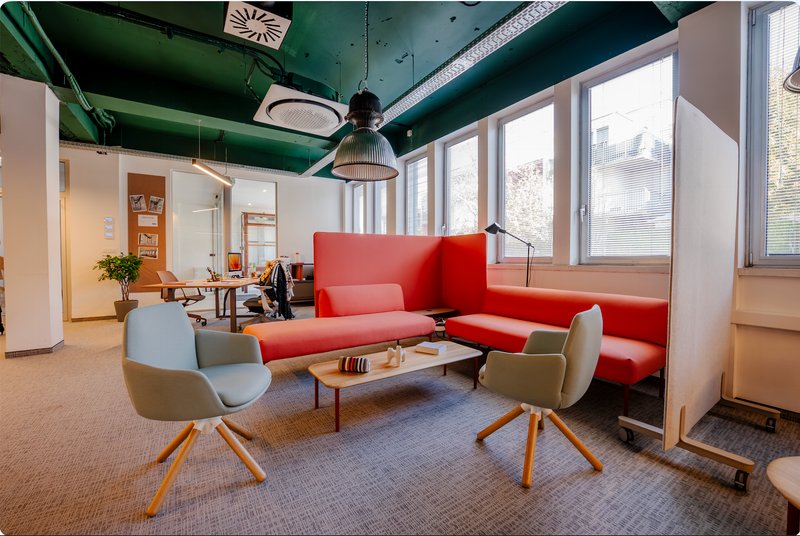
The psychology of your environment dictates the professional energy of the space. Natural light is a non-negotiable requirement for productivity, as studies show it can increase worker output by 15%. In Croatia, where coastal cities enjoy over 2,400 hours of sunshine annually, your design should prioritize large windows and glass partitions. Color palettes also play a vital role. Cool blues and greens promote deep focus in dedicated work zones, while warmer tones in lounge areas encourage social interaction. Integrating premium brands like Haworth and Brunner immediately signals prestige to potential members, positioning your business as a high-end professional hub rather than a budget basement office.
the importance of ergonomic seating for member retention
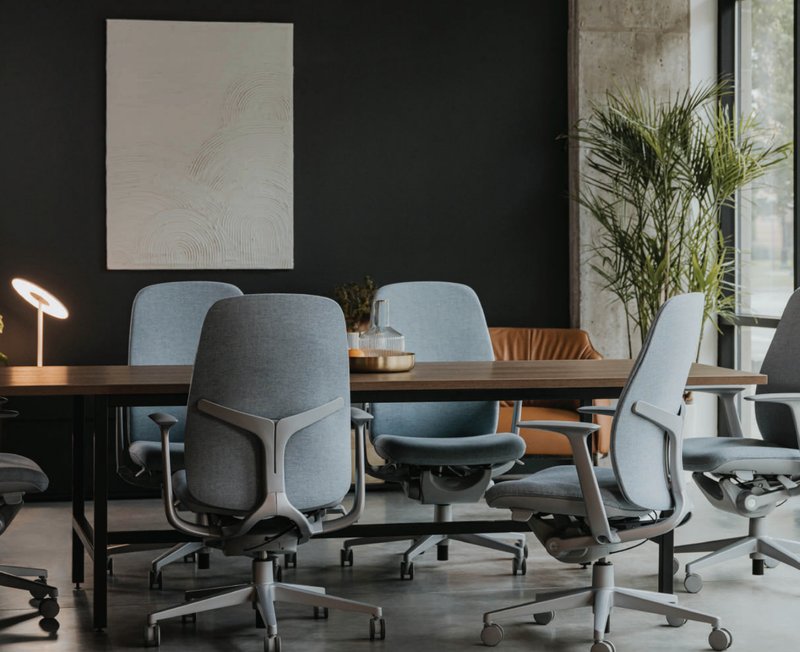
A premium office chair isn't an expense; it's a strategic investment in your business's longevity. If a member leaves your space with a backache, they won't renew their membership. Ergonomic excellence reduces member churn by providing a level of comfort that freelancers and remote workers usually don't have at home. The Haworth Zody is an industry standard for high-traffic coworking spaces because of its science-based back support and durability. For a more premium feel, the Haworth Fern offers a flexible backrest that moves with the user, providing a weightless sitting experience. You can find more detailed comparisons in this premium office chairs in Croatia: the 2026 ergonomic buyer’s guide to help you choose the right fleet for your space.
acoustic zoning and private call areas
Noise remains the most frequent complaint in shared workspaces across the globe. To keep your members productive, you must implement professional acoustic solutions that separate loud collaborative areas from quiet zones. A successful layout utilizes acoustic dividers and phone booths to contain conversations. Brands like Framery provide soundproof pods that allow members to take private calls without disturbing the entire room. Incorporating Brunner acoustic elements can also soften hard surfaces and reduce echo in high-ceilinged Croatian industrial lofts. This strategic zoning ensures that a startup team can brainstorm in one corner while a solo consultant performs deep work in another, preventing the friction that leads to cancellations.
implementing the digital infrastructure for seamless operations
Running a coworking space manually is a shortcut to operational burnout. Relying on spreadsheets to track memberships or manual bank transfers for rent leads to missed payments and scheduling conflicts. If you're learning how to start a coworking space in Croatia, you must prioritize a digital-first approach. The Desk&Co platform serves as a localized management solution, specifically designed to handle the administrative complexities of the Croatian market, including local tax compliance and reporting. It ensures that your focus stays on community growth rather than chasing invoices.
Your tech stack defines the user experience. It's not just about providing a desk; it's about providing a frictionless environment where the infrastructure disappears into the background. Essential components include high-speed redundant Wi-Fi, automated access control, and integrated billing systems. For corporate members, data security is a non-negotiable requirement. These clients often require segregated networks and advanced encryption to protect sensitive company data while working in a shared environment. Providing a secure, professional-grade network is what separates a true business hub from a casual coffee shop.
desk booking and member management systems
Desk&Co automates the heavy lifting of daily operations. The system handles bookings, recurring invoicing, and contract management without manual intervention. Members use a dedicated app to reserve desks or meeting rooms, which fosters a sense of autonomy and community. For founders, the real value lies in the backend analytics. Data from 2023 indicates that spaces using automated management see a 20% increase in resource efficiency. You can track peak usage times and adjust your pricing or layout to maximize profit margins based on actual member behavior.
connectivity and smart building integration
A business hub in Croatia requires professional-grade connectivity. You should install at least two separate fiber-optic lines from different providers to ensure 99.9% uptime. Smart locks and RFID systems allow for 24/7 entry, which is a major selling point for freelancers working across different time zones. These systems integrate directly with your management software; access is granted only when a membership is active and paid. Meeting rooms should feature intuitive presentation hardware. High-quality seating is also vital for long-term retention. You can find professional options like ergonomic office chairs that meet European ergonomic standards.
Ready to build a high-performance workspace? Contact our experts to optimize your office infrastructure.
partnering for success: from strategy to installation
Transforming a vacant property into a functional coworking hub requires more than just aesthetic intuition. It demands a transition from administrative planning to physical execution. In the Croatian market, where commercial real estate standards are evolving rapidly in cities like Zagreb, Split, and Rijeka, the final fit-out phase determines your operational efficiency. Learning how to start a coworking space in Croatia involves understanding that the physical layout must support diverse work styles, from deep focus to collaborative networking. A professional partner ensures that your investment in high-quality furniture, such as ergonomic solutions from Haworth or Brunner, translates into a high-performance environment that attracts premium tenants.
why a workplace strategy assessment is your first step
Founders often rush into purchasing furniture before defining how the space will actually be used. This leads to costly errors, such as overcrowded hot-desking areas or underutilized lounge zones. A strategic office space planning assessment identifies the specific needs of your target demographic, whether they're digital nomads in Zadar or tech startups in Osijek. By aligning the physical layout with your business goals, you ensure every square meter generates value. Expert consultation helps you determine the correct ratio of private offices to open-plan desks, preventing the need for expensive structural changes six months after opening. It's a data-driven approach that prioritizes user flow and acoustic comfort from day one.
Logistics in Croatia present unique challenges, especially when coordinating deliveries to historic city centers or islands. A reliable fit-out partner manages the entire supply chain, from the factory to the final assembly. This includes navigating local regulations and ensuring that heavy items are delivered and installed without disrupting neighboring businesses. Professional installers ensure that complex desking systems and ergonomic chairs are set up according to manufacturer specifications, which protects your warranties and ensures user safety. When you outsource these logistics, you free up your time to focus on community building and marketing strategies.
scaling your brand across the Croatian market
Success in one location often leads to expansion. Whether you're moving from a single floor to an entire building or opening a second branch in a different city, consistency is vital. Maintaining the same quality standards for furniture and technology across all hubs reinforces your brand identity. It tells your members they can expect the same level of comfort and professionalism regardless of which city they're working from. As you grow, having a centralized partner for workplace strategy makes the scaling process predictable and efficient. If you're ready to move from vision to reality, you should book a workplace strategy assessment to define your path forward.
final grand opening checklist:
- Regulatory compliance: Confirm the space meets all "Minimalni tehnički uvjeti" (MTU) requirements for commercial activity.
- Connectivity: Test high-speed Wi-Fi in every corner, including "dead zones" near concrete walls.
- Furniture audit: Ensure all Haworth and Brunner pieces are correctly assembled and ergonomic features are functional.
- Access control: Verify that digital keycards or mobile entry systems are synced with your member database.
- Safety protocols: Check fire exits, extinguisher placements, and emergency lighting according to Croatian safety laws.
- Community ready: Stock the kitchen area and set up the reception desk for the first member walk-ins.
Building the future of croatian flexible workspace
Launching a successful coworking business in 2026 requires a precise blend of legal compliance, premium design, and integrated technology. Success hinges on creating high-performance environments that prioritize user comfort and operational efficiency. Since 2014, we've provided national delivery and expert guidance across all regions of Croatia, ensuring that your investment meets the highest international standards. By choosing exclusive furniture from Haworth and Brunner, you guarantee a level of prestige and durability that attracts high-value tenants.
Managing the complexities of how to start a coworking space in Croatia becomes significantly simpler with the right digital infrastructure. Our proprietary Desk&Co platform automates daily tasks, while our strategic partnerships provide the stability your business needs to grow. We handle the technical and logistical details so you can focus on building a vibrant professional community. Your path to a market-leading workspace starts with a foundation of reliability and expert local knowledge.
launch your coworking space with a workplace strategy assessment
The Croatian market is ready for your vision, and we're here to help you build it with confidence.
Frequently asked questions
Is a special license required to operate a coworking space in Croatia?
No specific coworking license exists in Croatia, but you must ensure your premises meet the Minimum Technical Requirements (MTU) for office spaces. You're required to register your business as a limited liability company (d.o.o.) or a simple limited liability company (j.d.o.o.) through the Commercial Court. The MTU inspection verifies that your facility complies with health, safety, and fire protection regulations before you can legally open to the public.
How much space do I need per member in a coworking environment?
You should plan for approximately 7 to 10 square meters per member to maintain a professional and productive atmosphere. While the Croatian Labor Act requires a minimum of 3.5 square meters of free floor space for employees in traditional settings, coworking models need extra room for shared amenities. Allocating 8 square meters per person allows you to include essential communal areas like kitchens, phone booths, and lounge zones without overcrowding the main work floor.
What are the most common mistakes when starting a coworking space?
Underestimating monthly operational costs and failing to foster a genuine professional community are the most frequent errors. Statistics indicate that 40% of new spaces struggle because they treat the business as a simple real estate play rather than a service-oriented environment. Many founders also overlook the importance of high-quality ergonomic furniture, such as Haworth task chairs, which can lead to lower member retention rates compared to premium competitors.
How do I handle the VAT (PDV) for coworking memberships in Croatia?
Coworking memberships are subject to the standard Croatian Value Added Tax (PDV) rate of 25%. You're required to issue fiscalized invoices for every transaction in accordance with the regulations set by the Tax Administration (Porezna uprava). If your annual revenue exceeds the €40,000 threshold, you must enter the VAT system, which then allows you to reclaim PDV on business investments like Brunner furniture or high-speed internet infrastructure.
Can I start a coworking space in a residential building?
You can establish a coworking space in a residential building, but you must first complete a formal repurposing (prenamjena) of the unit into a commercial space. This legal process involves obtaining permits from the local urban planning office and ensuring the space meets commercial safety standards. Operating a business in a space registered only for living purposes violates the Law on Physical Planning and can result in significant financial penalties from inspectors.
What is the average ROI for a coworking space in the Croatian market?
Most well-managed coworking spaces in Croatia reach their break-even point within 18 to 24 months of operation. When you're researching how to start a coworking space in Croatia, plan for profit margins between 10% and 15% once your occupancy stabilizes above 70%. Diversifying your income with virtual office services and meeting room rentals can significantly shorten your return on investment period.
Do I need to provide furniture, or do members bring their own?
You must provide all necessary office furniture, as members expect a fully equipped, ready-to-use workspace. A standard setup includes a professional desk, an ergonomic chair, and access to secure storage or lockers. Using durable, high-end brands like Haworth ensures your space remains functional for years and helps justify premium membership fees in the competitive Zagreb or Adriatic markets.
How does the Desk&Co platform help with Croatian tax compliance?
The Desk&Co platform automates the mandatory fiscalization process by connecting your billing system directly to the Croatian Tax Administration's servers. It generates invoices that meet all local legal requirements, including the necessary ZKI and JIR codes for every transaction. This automation reduces administrative workloads by roughly 30% and ensures your business stays compliant with the latest financial regulations without manual data entry.
Frequently Asked Questions
identifying market demand and niche opportunities
The Croatian market is currently seeing a saturation of basic "laptop-friendly" cafes, but a shortage of professional-grade flexible offices. Founders should look beyond generic spaces and target underserved segments. Corporate satellite offices for international firms and specialized tech hubs for local startups are high-growth areas. Establishing a unique value proposition (UVP) is vital. This might include high-end hardware, such as ergonomic chairs from Haworth, or specialized facilities that cater to specific industries like digital media or software development. Focus on providing a stable, distraction-free environment that supports deep work and professional client meetings.
choosing the right business model
Selecting a business model requires a choice between community-focused spaces and high-end serviced offices. Community models thrive on social events and networking, while serviced offices prioritize privacy, discretion, and corporate standards. A hybrid model often yields the best results in the Croatian market. This involves combining open-plan desks for freelancers with private suites for small teams. Diversifying revenue streams is essential for long-term stability. You should consider including: When you evaluate how to start a coworking space in Croatia, remember that professional clients value legal certainty and administrative efficiency. Your business model must reflect these priorities to build lasting trust in a competitive market. Establishing a legal presence is the first hurdle in learning how to start a coworking space in Croatia. The process begins at the Commercial Court. You'll need to decide between a d.o.o. (Društvo s ograničenom odgovornošću) or a j.d.o.o. (Jednostavno društvo s ograničenom odgovornošću). A d.o.o. requires a minimum share capital of €2,500; a j.d.o.o. starts at just €1. While the latter is cheaper to launch, many landlords in cities like Zagreb or Split prefer the perceived stability of a standard d.o.o. structure. You must also select the correct NKD (National Classification of Activities) codes. Most operators register under code 68.20 for renting and operating real estate or 82.11 for combined office administrative services. Selecting the wrong code can lead to complications with tax authorities or business permit applications. The commercial lease agreement is your most critical document. In Croatia, these contracts are typically signed for 5 to 10 years. You must ensure the property has a "Uporabna dozvola" (usage permit) for office activities. Without this, you won't receive your MTU (Minimalni tehnički uvjeti) certification. This certification is a mandatory inspection that verifies the space meets national standards for ceiling height, ventilation, and noise insulation. It's often wise to hire a local legal consultant to navigate these bureaucratic layers. They can help you manage the "komunalna naknada" (communal fees) and ensure the lease clearly defines who pays for structural repairs versus daily maintenance.
company registration and zoning laws
Zoning laws in Croatia are strict regarding business locations. You can't simply open a coworking space in any residential building without checking the local urban plan. The d.o.o. remains the gold standard for workspace operators because it allows for easier scaling and VAT (PDV) registration. The MTU inspection is the final gatekeeper. An inspector will visit to check if your office has the required number of toilets per person and if the electrical installations are certified. This step usually takes 15 to 30 days after submitting your application to the local administrative department.
health, safety, and accessibility standards
Safety regulations require a certified fire protection plan. You'll need to install fire extinguishers, smoke detectors, and clearly marked evacuation routes. Accessibility is another legal mandate under the "Pravilnik o osiguranju pristupačnosti". Commercial buildings must provide ramp access and bathrooms designed for disabled members. If you're refurbishing an older building, these costs must be factored into your initial budget. Insurance is equally vital. You need general liability coverage to protect against accidents on-site. Providing ergonomic office chairs that meet EU safety standards isn't just a comfort choice; it's a way to minimize long-term liability for member health issues. Most operators also carry property insurance to cover expensive equipment against theft or water damage. Navigating these regulations ensures your business stands on a firm legal foundation. Once the paperwork is settled, you can focus on the physical layout and member experience. If you're looking for guidance on professional office solutions, The Office Company provides the expertise needed to equip your new Croatian workspace efficiently. Design is the primary driver of member retention in the coworking industry. A beautiful space might attract a new member, but a functional, high-performance environment keeps them paying their monthly fees. When you're planning how to start a coworking space in Croatia, you must view your floor plan through the lens of workplace strategy. This approach focuses on maximizing every square meter of your property, whether you're located in a historic building in Split or a modern glass tower in Rijeka. Every centimeter must serve a purpose, balancing high-density desk areas with open, collaborative zones that foster community. The psychology of your environment dictates the professional energy of the space. Natural light is a non-negotiable requirement for productivity, as studies show it can increase worker output by 15%. In Croatia, where coastal cities enjoy over 2,400 hours of sunshine annually, your design should prioritize large windows and glass partitions. Color palettes also play a vital role. Cool blues and greens promote deep focus in dedicated work zones, while warmer tones in lounge areas encourage social interaction. Integrating premium brands like Haworth and Brunner immediately signals prestige to potential members, positioning your business as a high-end professional hub rather than a budget basement office.
the importance of ergonomic seating for member retention
A premium office chair isn't an expense; it's a strategic investment in your business's longevity. If a member leaves your space with a backache, they won't renew their membership. Ergonomic excellence reduces member churn by providing a level of comfort that freelancers and remote workers usually don't have at home. The Haworth Zody is an industry standard for high-traffic coworking spaces because of its science-based back support and durability. For a more premium feel, the Haworth Fern offers a flexible backrest that moves with the user, providing a weightless sitting experience. You can find more detailed comparisons in this premium office chairs in Croatia: the 2026 ergonomic buyer’s guide to help you choose the right fleet for your space.
acoustic zoning and private call areas
Noise remains the most frequent complaint in shared workspaces across the globe. To keep your members productive, you must implement professional acoustic solutions that separate loud collaborative areas from quiet zones. A successful layout utilizes acoustic dividers and phone booths to contain conversations. Brands like Framery provide soundproof pods that allow members to take private calls without disturbing the entire room. Incorporating Brunner acoustic elements can also soften hard surfaces and reduce echo in high-ceilinged Croatian industrial lofts. This strategic zoning ensures that a startup team can brainstorm in one corner while a solo consultant performs deep work in another, preventing the friction that leads to cancellations. Running a coworking space manually is a shortcut to operational burnout. Relying on spreadsheets to track memberships or manual bank transfers for rent leads to missed payments and scheduling conflicts. If you're learning how to start a coworking space in Croatia, you must prioritize a digital-first approach. The Desk&Co platform serves as a localized management solution, specifically designed to handle the administrative complexities of the Croatian market, including local tax compliance and reporting. It ensures that your focus stays on community growth rather than chasing invoices. Your tech stack defines the user experience. It's not just about providing a desk; it's about providing a frictionless environment where the infrastructure disappears into the background. Essential components include high-speed redundant Wi-Fi, automated access control, and integrated billing systems. For corporate members, data security is a non-negotiable requirement. These clients often require segregated networks and advanced encryption to protect sensitive company data while working in a shared environment. Providing a secure, professional-grade network is what separates a true business hub from a casual coffee shop.
desk booking and member management systems
Desk&Co automates the heavy lifting of daily operations. The system handles bookings, recurring invoicing, and contract management without manual intervention. Members use a dedicated app to reserve desks or meeting rooms, which fosters a sense of autonomy and community. For founders, the real value lies in the backend analytics. Data from 2023 indicates that spaces using automated management see a 20% increase in resource efficiency. You can track peak usage times and adjust your pricing or layout to maximize profit margins based on actual member behavior.
connectivity and smart building integration
A business hub in Croatia requires professional-grade connectivity. You should install at least two separate fiber-optic lines from different providers to ensure 99.9% uptime. Smart locks and RFID systems allow for 24/7 entry, which is a major selling point for freelancers working across different time zones. These systems integrate directly with your management software; access is granted only when a membership is active and paid. Meeting rooms should feature intuitive presentation hardware. High-quality seating is also vital for long-term retention. You can find professional options like ergonomic office chairs that meet European ergonomic standards. Ready to build a high-performance workspace? Contact our experts to optimize your office infrastructure. Transforming a vacant property into a functional coworking hub requires more than just aesthetic intuition. It demands a transition from administrative planning to physical execution. In the Croatian market, where commercial real estate standards are evolving rapidly in cities like Zagreb, Split, and Rijeka, the final fit-out phase determines your operational efficiency. Learning how to start a coworking space in Croatia involves understanding that the physical layout must support diverse work styles, from deep focus to collaborative networking. A professional partner ensures that your investment in high-quality furniture, such as ergonomic solutions from Haworth or Brunner, translates into a high-performance environment that attracts premium tenants.
why a workplace strategy assessment is your first step
Founders often rush into purchasing furniture before defining how the space will actually be used. This leads to costly errors, such as overcrowded hot-desking areas or underutilized lounge zones. A strategic office space planning assessment identifies the specific needs of your target demographic, whether they're digital nomads in Zadar or tech startups in Osijek. By aligning the physical layout with your business goals, you ensure every square meter generates value. Expert consultation helps you determine the correct ratio of private offices to open-plan desks, preventing the need for expensive structural changes six months after opening. It's a data-driven approach that prioritizes user flow and acoustic comfort from day one. Logistics in Croatia present unique challenges, especially when coordinating deliveries to historic city centers or islands. A reliable fit-out partner manages the entire supply chain, from the factory to the final assembly. This includes navigating local regulations and ensuring that heavy items are delivered and installed without disrupting neighboring businesses. Professional installers ensure that complex desking systems and ergonomic chairs are set up according to manufacturer specifications, which protects your warranties and ensures user safety. When you outsource these logistics, you free up your time to focus on community building and marketing strategies.
scaling your brand across the Croatian market
Success in one location often leads to expansion. Whether you're moving from a single floor to an entire building or opening a second branch in a different city, consistency is vital. Maintaining the same quality standards for furniture and technology across all hubs reinforces your brand identity. It tells your members they can expect the same level of comfort and professionalism regardless of which city they're working from. As you grow, having a centralized partner for workplace strategy makes the scaling process predictable and efficient. If you're ready to move from vision to reality, you should book a workplace strategy assessment to define your path forward. final grand opening checklist: Launching a successful coworking business in 2026 requires a precise blend of legal compliance, premium design, and integrated technology. Success hinges on creating high-performance environments that prioritize user comfort and operational efficiency. Since 2014, we've provided national delivery and expert guidance across all regions of Croatia, ensuring that your investment meets the highest international standards. By choosing exclusive furniture from Haworth and Brunner, you guarantee a level of prestige and durability that attracts high-value tenants. Managing the complexities of how to start a coworking space in Croatia becomes significantly simpler with the right digital infrastructure. Our proprietary Desk&Co platform automates daily tasks, while our strategic partnerships provide the stability your business needs to grow. We handle the technical and logistical details so you can focus on building a vibrant professional community. Your path to a market-leading workspace starts with a foundation of reliability and expert local knowledge. launch your coworking space with a workplace strategy assessment The Croatian market is ready for your vision, and we're here to help you build it with confidence.
Is a special license required to operate a coworking space in Croatia?
No specific coworking license exists in Croatia, but you must ensure your premises meet the Minimum Technical Requirements (MTU) for office spaces. You're required to register your business as a limited liability company (d.o.o.) or a simple limited liability company (j.d.o.o.) through the Commercial Court. The MTU inspection verifies that your facility complies with health, safety, and fire protection regulations before you can legally open to the public.
How much space do I need per member in a coworking environment?
You should plan for approximately 7 to 10 square meters per member to maintain a professional and productive atmosphere. While the Croatian Labor Act requires a minimum of 3.5 square meters of free floor space for employees in traditional settings, coworking models need extra room for shared amenities. Allocating 8 square meters per person allows you to include essential communal areas like kitchens, phone booths, and lounge zones without overcrowding the main work floor.
What are the most common mistakes when starting a coworking space?
Underestimating monthly operational costs and failing to foster a genuine professional community are the most frequent errors. Statistics indicate that 40% of new spaces struggle because they treat the business as a simple real estate play rather than a service-oriented environment. Many founders also overlook the importance of high-quality ergonomic furniture, such as Haworth task chairs, which can lead to lower member retention rates compared to premium competitors.
How do I handle the VAT (PDV) for coworking memberships in Croatia?
Coworking memberships are subject to the standard Croatian Value Added Tax (PDV) rate of 25%. You're required to issue fiscalized invoices for every transaction in accordance with the regulations set by the Tax Administration (Porezna uprava). If your annual revenue exceeds the €40,000 threshold, you must enter the VAT system, which then allows you to reclaim PDV on business investments like Brunner furniture or high-speed internet infrastructure.
Can I start a coworking space in a residential building?
You can establish a coworking space in a residential building, but you must first complete a formal repurposing (prenamjena) of the unit into a commercial space. This legal process involves obtaining permits from the local urban planning office and ensuring the space meets commercial safety standards. Operating a business in a space registered only for living purposes violates the Law on Physical Planning and can result in significant financial penalties from inspectors.
What is the average ROI for a coworking space in the Croatian market?
Most well-managed coworking spaces in Croatia reach their break-even point within 18 to 24 months of operation. When you're researching how to start a coworking space in Croatia, plan for profit margins between 10% and 15% once your occupancy stabilizes above 70%. Diversifying your income with virtual office services and meeting room rentals can significantly shorten your return on investment period.
Do I need to provide furniture, or do members bring their own?
You must provide all necessary office furniture, as members expect a fully equipped, ready-to-use workspace. A standard setup includes a professional desk, an ergonomic chair, and access to secure storage or lockers. Using durable, high-end brands like Haworth ensures your space remains functional for years and helps justify premium membership fees in the competitive Zagreb or Adriatic markets.
How does the Desk&Co platform help with Croatian tax compliance?
The Desk&Co platform automates the mandatory fiscalization process by connecting your billing system directly to the Croatian Tax Administration's servers. It generates invoices that meet all local legal requirements, including the necessary ZKI and JIR codes for every transaction. This automation reduces administrative workloads by roughly 30% and ensures your business stays compliant with the latest financial regulations without manual data entry.