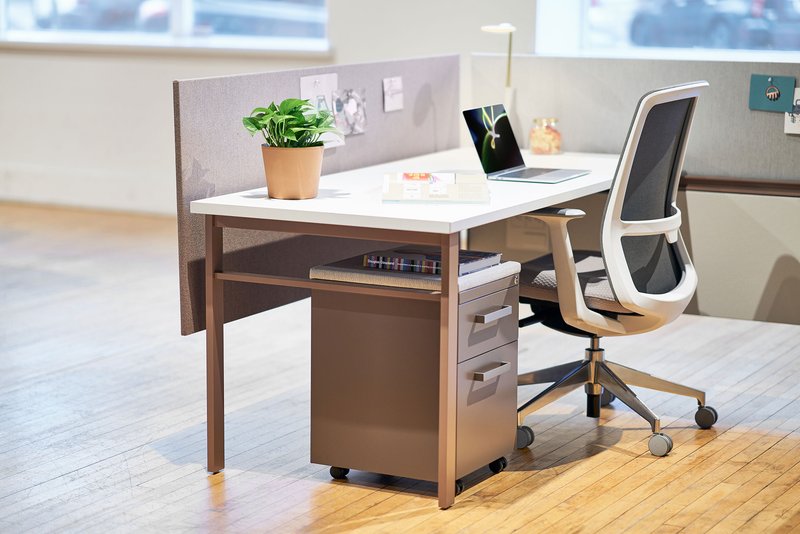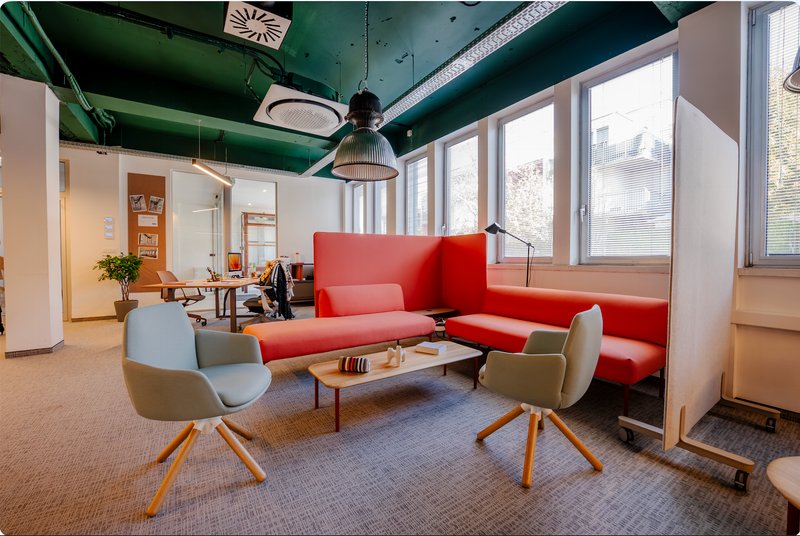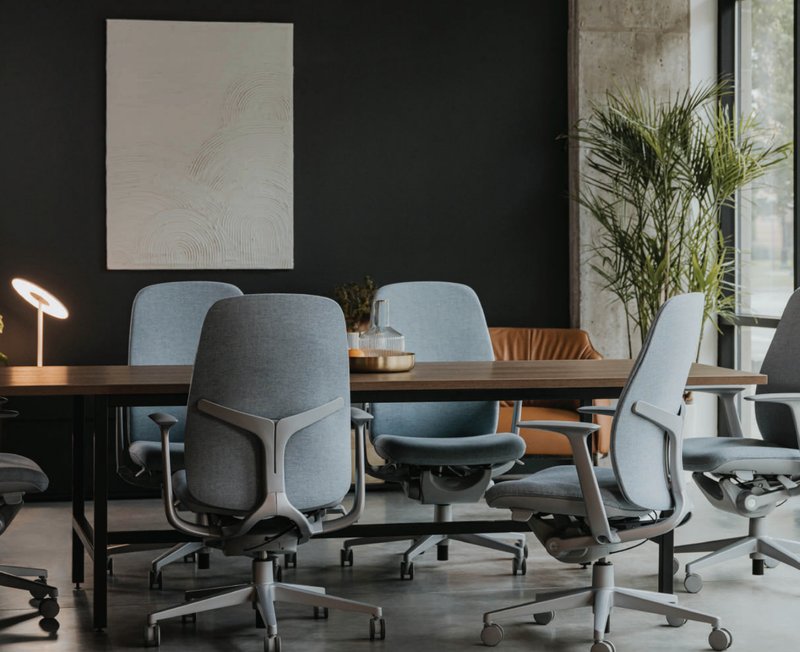
Kako se priroda rada nastavlja mijenjati, poduzeća sve više traže inovativne načine za optimizaciju svojih uredskih okruženja. Jedna od najučinkovitijih strategija posljednjih godina jest integracija coworking prostora u tradicionalne poslovne zgrade. Ovaj hibridni pristup ne samo da povećava produktivnost, već i potiče suradnju, smanjuje troškove i pruža veću fleksibilnost poduzećima svih veličina. U ovom članku istražit ćemo ključne prednosti uključivanja coworking prostora u poslovne zgrade i objasniti zašto će upravo ovaj model oblikovati budućnost rada.
Bolja suradnja i umrežavanje
Coworking prostori počivaju na načelima zajednice i suradnje. Za razliku od tradicionalnih uredskih postava, ovi zajednički prostori okupljaju stručnjake različitih profila, industrija i vještina. Taj spoj talenata i stručnosti stvara plodno tlo za umrežavanje, razmjenu ideja i inovacije. Za poduzeća, pristup dinamičnom okruženju u kojem zaposlenici mogu surađivati sa stručnjacima iz drugih područja može donijeti nove prilike, svježe perspektive, pa čak i potencijalna partnerstva. Startupi mogu učiti od iskusnih poduzetnika, freelanceri pronaći nove klijente, a korporacije iskoristiti bazen kreativnih umova. Takvo međusobno prožimanje ideja neprocjenjivo je u današnjem brzom gospodarstvu vođenom inovacijama.
Troškovna učinkovitost
Smanjenje operativnih troškova prioritet je za poduzeća, osobito za startupe i mala poduzeća s ograničenim proračunima. Integracija coworking prostora u poslovne zgrade omogućuje tvrtkama dijeljenje resursa poput uredskog namještaja, brzog interneta, dvorana za sastanke, opreme za ispis i administrativne podrške. Primjenom modela dijeljene ekonomije poduzeća mogu znatno sniziti režijske troškove i osloboditi sredstva za ulaganje u temeljno poslovanje, razvoj zaposlenika ili širenje poslovanja. I veće tvrtke mogu profitirati optimizacijom svojeg uredskog prostora, osiguravajući da ne plaćaju neiskorištene radne stolove i nedovoljno iskorištene površine.
Fleksibilnost i skalabilnost
Moderna radna snaga zahtijeva fleksibilnost, a poduzeća koja se ne prilagode riskiraju gubitak talenata. Coworking prostori nude neusporedivu fleksibilnost u korištenju prostora, omogućujući poduzećima da se šire ili smanjuju prema vlastitim potrebama. Na primjer, startup u fazi brzog rasta možda treba dodatni radni prostor za nove zaposlenike, ali još nije u poziciji obvezati se na dugoročni najam. S druge strane, tvrtke sa sezonskim oscilacijama mogu jednostavno prilagoditi svoje prostorne potrebe bez financijskog opterećenja. Ta prilagodljivost osigurava da poduzeća ostanu agilna i spremna odgovoriti na promjene na tržištu. Osim toga, coworking prostori omogućuju rad na daljinu i hibridne modele rada, dopuštajući zaposlenicima da sami biraju gdje i kako rade najučinkovitije. Takva razina autonomije može povećati zadovoljstvo poslom, produktivnost i zadržavanje zaposlenika.
Bolja ravnoteža privatnog i poslovnog života
Održavanje zdrave ravnoteže između posla i privatnog života ključno je za dobrobit i produktivnost zaposlenika. Za razliku od tradicionalnih ureda, coworking prostori osmišljeni su tako da promiču skladan spoj rada i opuštanja. Mnogi coworking prostori uključuju elemente poput salona za predah, wellness soba, prostora za meditaciju, pa čak i fitness centara, potičući zaposlenike da naprave potrebne stanke i napune baterije. Dobro strukturirano coworking okruženje pomaže zaposlenicima razgraničiti posao od privatnog života i smanjuje rizik od izgaranja. Društvena događanja, zajednički ručkovi i networking susreti dodatno jačaju osjećaj pripadnosti i svrhe, čineći rad ugodnijim i ispunjenijim.
Pristup profesionalnim sadržajima
Još jedna velika prednost integracije coworking prostora u poslovne zgrade jest pristup visokokvalitetnim sadržajima koji često nisu dostupni u konvencionalnim uredskim okruženjima. Poduzeća koja posluju u coworking okruženjima često koriste vrhunske pogodnosti kao što su: Suvremene dvorane za sastanke opremljene tehnologijom za videokonferencije Brzi internet i IT podrška Kafići i prostori za objedovanje unutar zgrade Prostori za radionice i seminare Usluge conciergea i recepcije Ti sadržaji podižu profesionalnost, poboljšavaju produktivnost i pridonose besprijekornom radnom iskustvu. Startupi i mala poduzeća posebno mogu iskoristiti ove pogodnosti kako bi ostavili profesionalniji dojam u susretima s klijentima i investitorima.
Zašto je budućnost rada hibridna
Pandemija bolesti COVID-19 promijenila je način na koji poduzeća doživljavaju uredski prostor. Rad na daljinu postao je uobičajen, a mnogi su zaposlenici otkrili da izvan tradicionalnog ureda mogu biti jednako produktivni — ako ne i produktivniji. Ipak, nedostatak kontakta uživo istaknuo je važnost zajednice, umrežavanja i suradnje. Integracijom coworking prostora u poslovne zgrade poduzeća mogu ponuditi hibridni model koji spaja najbolje od oba svijeta: fleksibilnost rada na daljinu i suradničku energiju uredskog okruženja. Taj pristup omogućuje tvrtkama da privuku vrhunske talente, potiču inovacije i ostanu konkurentne u okruženju koje se brzo mijenja.
Zaključak
Uključivanje coworking prostora u poslovne zgrade više je od trenda; to je strateški potez usklađen s promjenjivim potrebama poduzeća i zaposlenika. Od poticanja suradnje i smanjenja troškova do fleksibilnosti i bolje ravnoteže privatnog i poslovnog života, ovaj model predstavlja dobitnu kombinaciju za sve dionike. Kako poduzeća nastavljaju prihvaćati hibridne modele rada, potražnja za coworking prostorima u poslovnim zgradama samo će rasti. Organizacije koje ovu promjenu prepoznaju na vrijeme i prilagode joj se bit će u najboljoj poziciji za dugoročan uspjeh u budućnosti rada.