Stvaranje produktivnog i fleksibilnog uredskog prostora
Osmišljavanje i realizacija ureda koji je istodobno funkcionalan i prilagodljiv zahtijeva usklađivanje potreba ljudi s poslovnim ciljevima, tehničkom infrastrukturom i rokovima projekta. Pri stvaranju produktivnog i fleksibilnog uredskog prostora pet je temeljnih područja koja treba razmotriti: ljudi, kultura, prostor, tehnički zahtjevi i vremenski okvir.
Definirajte ciljeve i profile korisnika
Polazna točka svakog uspješnog radnog prostora jest jasno razumijevanje toga tko će prostor koristiti i kako. Ključno je identificirati glavne aktivnosti poput dubokog fokusiranog rada, laganog fokusa, suradnje, sastanaka, prijema gostiju, recepcije i predaha. Mapiranje tipova i broja korisnika, sadašnjih i projiciranih, osigurava podršku rastu. Naposljetku, usklađivanje prostora s brendom, kulturom i ciljevima dobrobiti tvrtke pomaže stvoriti okruženje u kojem se ljudi osjećaju angažirano i podržano.
Planiranje prostora i raspored
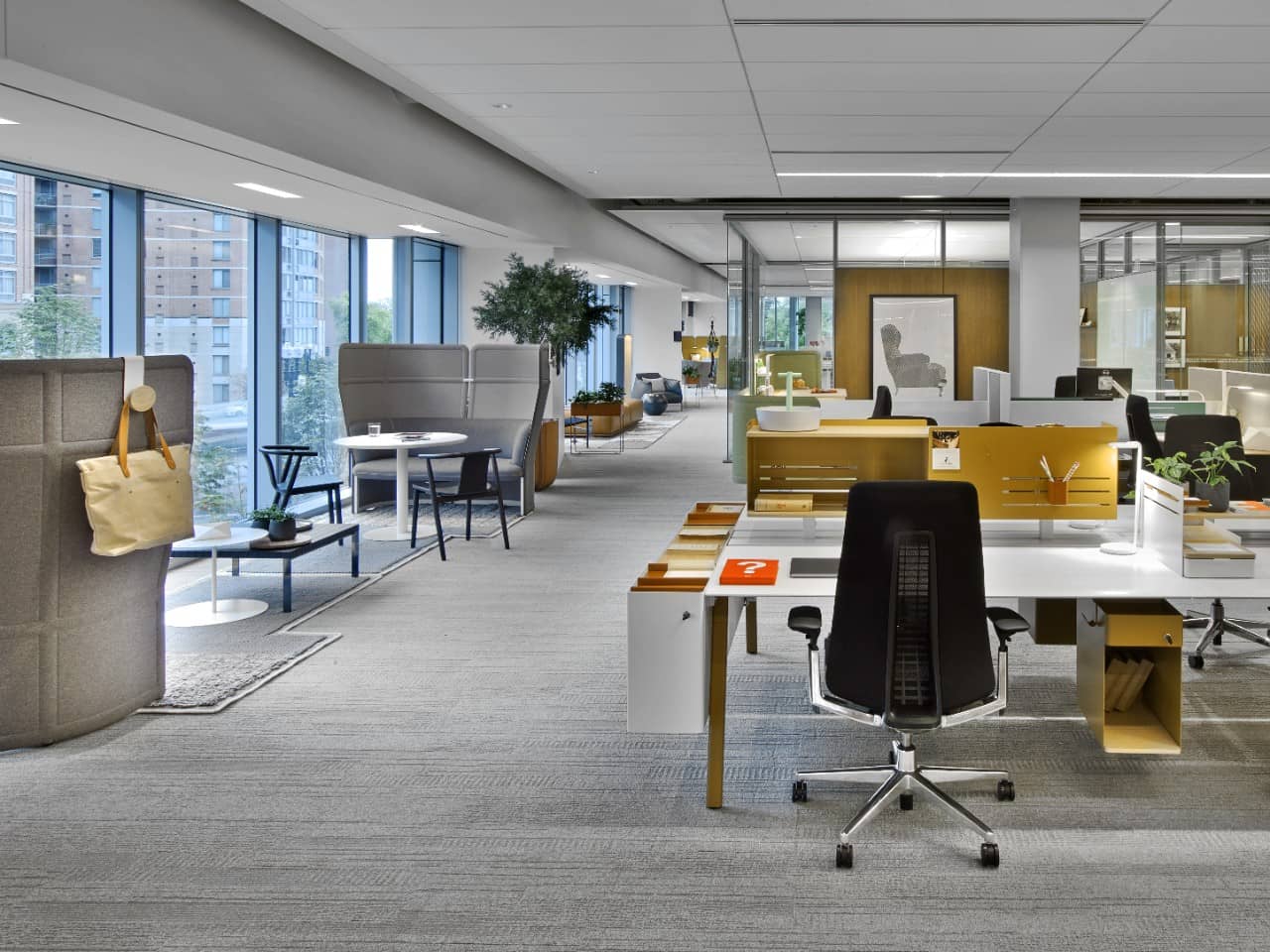
Pažljivo planiranje rasporeda osigurava da svaki četvorni metar radi učinkovito i podupire različite načine rada. To uključuje stvaranje jasnih zona: tihih područja za fokus, središta za suradnju, dvorana za sastanke, društvenih prostora i sadržaja te zona operativne podrške. Fleksibilnost je ključna — modularni namještaj, pomične pregrade i skalabilna tehnologija omogućuju uredu da se razvija. Cirkulacija treba biti učinkovita, s neometanim prolazima i razumnim udaljenostima, dok namjenska tehnička jezgra za struju, podatke i klimatizaciju smanjuje nered i pojednostavnjuje buduće nadogradnje.
Ergonomija i namještaj
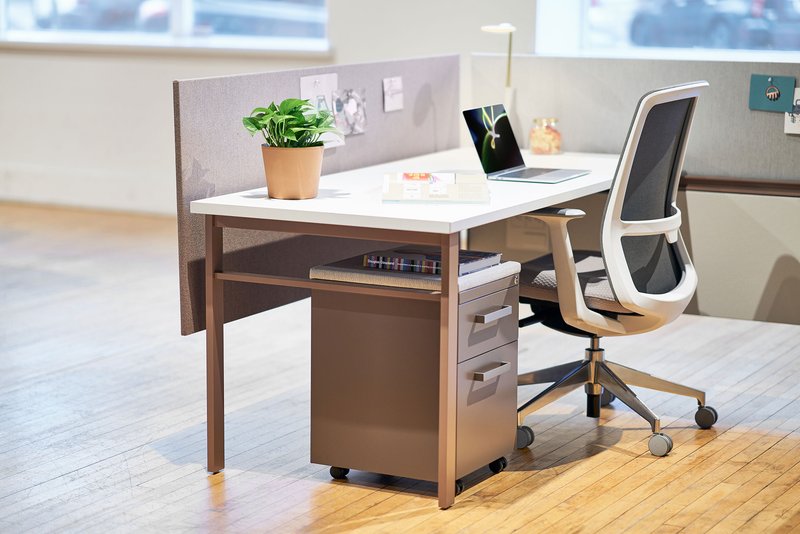
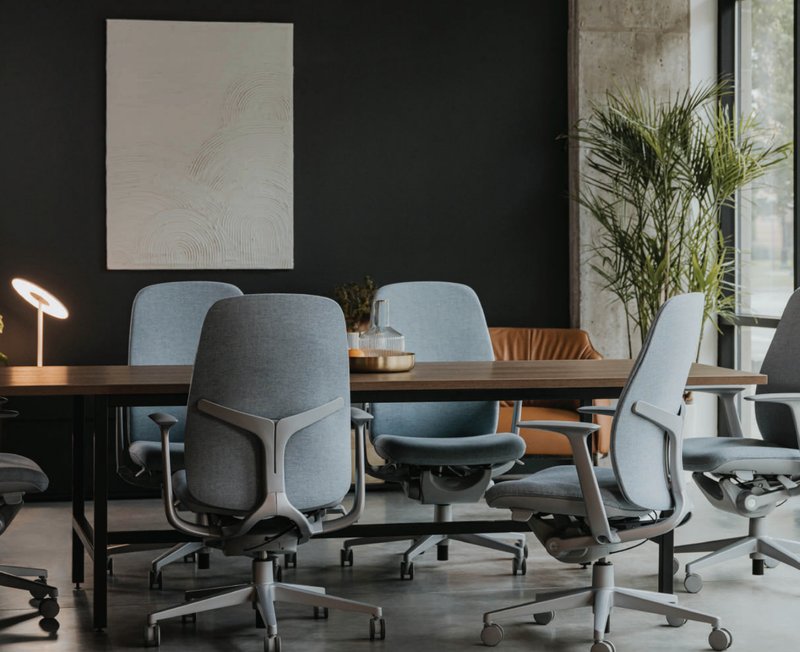
Udobnost i zdravlje ključni su pokretači produktivnosti. Podesive stolice i stolovi, uključujući opcije za rad u sjedećem i stojećem položaju, daju zaposlenicima kontrolu nad radnim položajem. Radne stanice trebaju pružati dovoljnu dubinu i prostor za ekrane, s odgovarajućim mjestom za tipkovnicu i miš. Primjerena rješenja za pohranu smanjuju nered i održavaju radne površine čistima, pridonoseći i dobrobiti i učinkovitosti.
Akustika i privatnost
Buka je jedna od najčešćih frustracija u uredima otvorenog tipa. Učinkovite akustičke strategije uključuju meke podne obloge, stropne akustičke elemente, akustičke panele i kvalitetna brtvljenja vrata. Telefonske govornice i male dvorane za sastanke trebaju pružati zvučnu izolaciju te, prema potrebi, sustave za maskiranje zvuka. U otvorenim prostorima širenje buke može se kontrolirati rubnim zonama, pregradama ili separatorima od namještaja, čime se zaposlenicima osigurava pristup tišini kada im je potrebna.
Rasvjeta i dnevno svjetlo
Rasvjeta ima veliku ulogu u dobrobiti i koncentraciji. Uredi bi trebali maksimalno iskoristiti prirodno svjetlo uz kontrolu blještanja. Podesiva rasvjeta usklađena s cirkadijalnim ritmom podupire različita doba dana, dok radna rasvjeta osigurava udobnost pri poslovima koji zahtijevaju preciznost. Pametne kontrole i mogućnosti prigušivanja omogućuju rasvjeti da se prilagodi različitim načinima rada i popunjenosti prostora, smanjujući i naprezanje i potrošnju energije.
Tehnologija, struja i podaci
Tehnologija treba biti besprijekorna i pouzdana. Suvremeni radni prostori zahtijevaju snažnu Wi-Fi pokrivenost u cijelom prostoru, obilje strujnih i USB utičnica te jednostavno upravljanje kabelima. Dvorane za sastanke trebaju imati AV sustave koji se lako rezerviraju i koriste, podupirući hibridnu suradnju. Namjenski IT i serverski prostor osigurava da infrastruktura može rasti zajedno s poslovanjem uz minimalne prekide rada.
Pristupačnost i sigurnost
Inkluzivan dizajn osigurava da radni prostor funkcionira za sve. To uključuje pristupačne rute, primjerene visine radnih površina, jasnu signalizaciju i pristupačne sanitarne prostorije. Sigurnost se ne smije zanemariti: protupožarna usklađenost, jasni evakuacijski putovi, protuklizne podne obloge i zaštita rubova ključni su. Materijali trebaju biti izdržljivi i jednostavni za održavanje, čime se smanjuju rizici i troškovi održavanja.
Materijali, završne obrade i održivost
Održivi izbori stvaraju dugoročnu vrijednost. Boje i završne obrade s niskim udjelom hlapljivih organskih spojeva (VOC) poboljšavaju kvalitetu zraka, dok izdržljive tkanine i površine koje se lako čiste pojednostavnjuju održavanje. Odabir recikliranih i ekološki prihvatljivih materijala smanjuje utjecaj na okoliš, a energetski učinkoviti sustavi pridonose i uštedi troškova i korporativnoj odgovornosti. Održivost treba biti integrirana i u dizajn i u upravljanje prostorom.
Privatnost, sigurnost i brendiranje
Radni prostori moraju uravnotežiti otvorenost i diskreciju. Povjerljivi sastanci i zadaci zahtijevaju vizualnu i zvučnu privatnost. Za osjetljiva područja treba planirati zaštitu podataka i fizičku sigurnost. Brendiranje — bilo kroz boje, logotipe ili taktilnu orijentaciju u prostoru — treba biti vidljivo, ali nenametljivo. Kada je izvedeno ispravno, brendiranje jača kulturu i čini prostor produžetkom identiteta organizacije.
Predah, društveni prostori i sadržaji
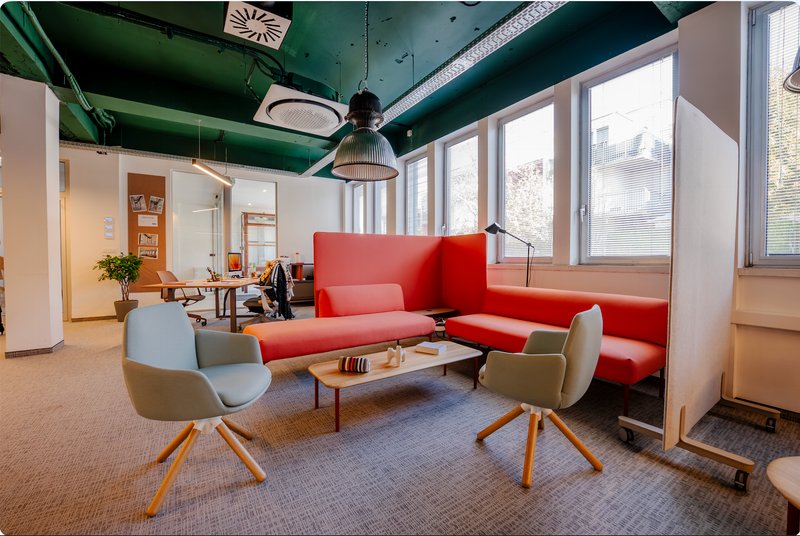
Zaposlenici daju najbolje od sebe kada imaju i prostor za predah. Prostori za odmor i druženje trebaju biti udobni i ugodni te poticati neformalne kontakte. Čajne kuhinje i kutci za kavu moraju biti dimenzionirani za vršno korištenje i opremljeni izdržljivom opremom. Dodavanje prirodnih elemenata poput biljaka i tekstura drva — biofilni dizajn — stvara osjećaj smirenosti i pridonosi dobrobiti.
Zaključak: budućnost produktivnih ureda
Dizajn produktivnog i fleksibilnog ureda više je od razmještanja stolova — riječ je o stvaranju okruženja koje podupire ljude, kulturu i rast, uz usklađenost s tehničkim zahtjevima i rokovima. S više od 20.000 m² opremljenih i isporučenih uredskih prostora, znamo da dobro dizajniran ured ne samo da udomljuje zaposlenike, nego ih i osnažuje da rade najbolje što mogu. Budućnost pripada uredima koji su prilagodljivi, usmjereni na ljude i strateški planirani.